

Program
Advance your understanding of the human brain and behaviour through graduate studies in psychology at the University of Saskatchewan. The program spans clinical psychology, applied social psychology, culture, human and health development, and cognition and neuroscience, with strong emphasis on research and applied experience. Through research training, practicum opportunities, and interdisciplinary study in select areas, you will develop expertise in research design and real-world applications.
Why study Psychology at USask?
- Accredited Clinical Psychology stream integrates research with professional training for diverse careers.
- Large, collaborative department with extensive faculty expertise and interdisciplinary connections strengthens study opportunities.
- Strong emphasis on research in a wide spectrum of topics, including laboratory and applied projects.
Quick facts
-
Expected length Thesis-based Course-based M.A. 2 years Ph.D. 4 years - Degree requirements
- Class delivery in-person
- Supervisor approval not required to apply
- Deadlines and admission details below
Illuminating understanding of human behaviour
Through impactful research, explore how people think, develop, and interact. Build knowledge that informs communities and contributes to the advancement of psychological research and practice.
Psychology master's and PhD streams
The Department of Psychology and Health Studies offers programs across four streams: a PhD in Clinical Psychology, and MA and PhD programs in Applied Social Psychology, Culture, Health and Human Development, and Cognition and Neuroscience.
Clinical Psychology

The clinical psychology program follows a balanced scientist–practitioner model and is fully accredited by the Canadian Psychological Association. Typically, students begin in the master’s program for one year before transferring into the PhD program.
Students gain practical experience through diverse practicum placements across child, adolescent, adult and family services, as well as community, university, hospital and forensic settings, while benefiting from close working relationships with research supervisors—support that helps most secure their preferred pre-doctoral internships.
International students: due to barriers in securing required clinical pre-doctoral residencies within Canada, the Department of Psychology and Health Studies does not recommend the clinical psychology stream to international students.
Applied Social Psychology

The Applied Social Psychology stream is an innovative area of concentration that integrates theory, research and practice to understand social issues and improve social conditions through program and policy development. Programs are offered at both the master’s and PhD levels.
Students develop skills in basic and applied (field) research, preparing them to work as research and evaluation consultants in a variety of community and organizational settings. In addition to coursework and independent research, students complete supervised practica and internship placements in areas such as health, mental health, education and criminal justice.
Culture, Health and Human Development

The culture and human development stream explores how development unfolds across the lifespan within diverse cultural contexts. Grounded in an interdisciplinary approach, the program draws on strengths in developmental, social and clinical psychology, as well as cultural and medical anthropology, while offering training in both qualitative and quantitative research methods. Students gain opportunities to conduct research in local and global contexts, preparing them to address complex, real-world issues and pursue careers in research, policy, health and community settings.
Cognition and Neuroscience
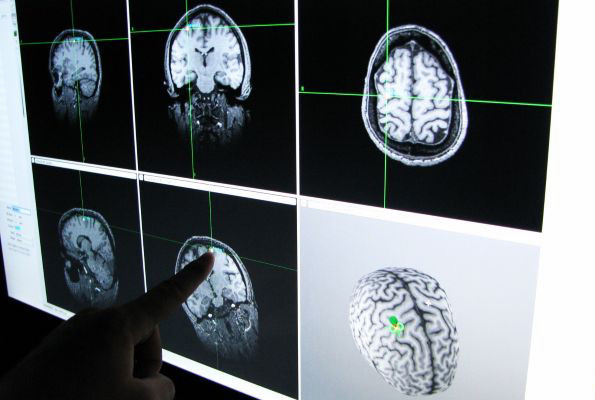
The cognition and neuroscience stream is designed for students interested in basic experimental research and theoretical inquiry. Students work closely with research-active faculty, many with national grant funding, across a wide range of topics, including cognitive processes, psycholinguistics, neuropsychology, fMRI, and behavioural and systems neuroscience. With access to state-of-the-art facilities for human research, students gain hands-on experience that prepares them for advanced research and academic careers.
Research supervisors
It is not necessary to find a potential supervisor before you begin an application. The list below though may be helpful to learn about the research interests of our faculty.
| Name | Research areas |
|---|---|
| Brain; Cognition & Neurosciences; Diffusion Tensor Imaging; Mind; attention; cognitive chronometry; cognitive neuroscience; computational modelling; eye-tracking; functional Magnetic Resonance Imaging; language processing; neuroimaging; perception; reading; semantics | |
| Peer relationships; Adolescent development; Emerging adulthood; School transitions; Developmental psychology | |
| An elaboration and application of a theory of sociocultural models to social and cultural research; Psychology of acculturation and cultural adaptation: International students, immigrants, and refugees; Philosophy and methodology of sociocultural and psychological research: The critical scientific realist paradigm; Comparative cultural research of self-determination, autonomy, and psychological well-being; ; ; | |
| Language; culture; identity; intergroup dynamics; bias; natural language processing; narrative | |
| Trauma; parenting; self-care; reconciliation & psychology; ; ; ; | |
| Cognition & Neurosciences; Synesthesia; advertising; aesthetics; brain; cognitive; hemisphere; spatial attention | |
| Parallel parenting orders in custody disputes; Emerging adulthood in carded athletes, workers in the labour force and in post secondary education; Eating behaviors and identity; Adolescent intimacy; Stress, coping and resiliency in children who are embroiled in custody disputes; Mood and eating disorders in children and adolescents; Friendships, romance and intimacy in adolescents | |
| Pediatric Health Psychology; Pain; Menstrual Pain; Mental Health Literacy; Knowledge Translation; Women's Health; Emotion Regulation | |
| Qualitative research; Illness experience; Disability ; Acquired brain injury ; Academia and mental illness; Parent and young adult coresidence | |
| Intergroup relations; Collective protest actions; Credentialing issues of skilled immigrants; Acculturation; Ethnocentrism | |
| Disability, personhood, and social inclusion; Relationships among long-term care residents, family caregivers, staff, and organizational leaders; Family communication and care in long-term care settings; Quality of life in long-term care; Strengthening a palliative approach in long-term care; Health and behavioural psychology, including applications in long-term care | |
| Child and youth mental health; Indigenous youth; Social determinants of health; Transdiagnostic interventions; Cultural interventions; Substance use and addictions; | |
| Reproductive Decision-Making; Sexual Attitudes, Beliefs, and Behaviours; Psychosocial Implications of Reproductive Technologies; Prejudice and Discrimination towards Persons with Disabilities; Program Evaluation (focus on health programs) | |
| Cognition & Neurosciences; EEG; cognitive neuroscience of action and interaction; ensemble music performance; interpersonal coordination; joint action | |
| Motor Processes, Memory & Attention; cognitive; development; education; health; memory; psychology | |
| Social development in childhood and adolescence with a focus on the study of friendship and peer acceptance; Reading instruction; Remediation in childhood | |
| Antidepressants; depression; discourse analysis; discursive psychology; distress; evidence-based practice; qualitative research; shared decision making; teaching qualitative research in psychology | |
| Positive emotion regulation; Romantic relationships; Communication and conflict; Trauma and childhood maltreatment; Attachment theory | |
| The application of attachment theory to health conditions (e.g., chronic pain and insomnia); Assessment of adult attachment; Network analysis; Psychopathology | |
| Cognitive neuroscience; Visual Spatial Attention; Migraine; Cortical Excitability; | |
| Stereotyping, Prejudice, and Discrimination toward Marginalized Social Groups; Social Class & Social Class Identity; Food Industry, Food Prices, Food Insecurity; Inequalities; Diversity; Big Data & Technology; Applied Machine Learning & Artificial Intelligence; Data Mining & Data Science | |
| Gay and lesbian psychology; Body image; Stereotyping, prejudice, and discrimination; Psychometrics; Human sexuality (in particular, gay pornography and sex work) | |
| Dementia; Alzheimer Disease; Frontotemporal Dementia; Neuropsychology; Caregiver support; Telemedicine; Technology | |
| The assessment of recidivism risk and dangerousness and how risk can be managed or reduced and recidivism prevented.; How correctional clients make changes to their offending behavior, and to what extent these personal changes, especially if they are risk relevant, translate into subsequent reductions in recidivism; The effectiveness of specialized sexual offense treatment in reducing recidivism, and evaluating program-specific treatment change and its relationship to risk and recidivism reduction; Psychopathic persons and the extent to which this population can make risk related changes and move on to lives that are characterized by less violence | |
| Attention; Perception; Multisensory processing; Trans-saccadic perception; Human Factors; Philosophy of mind; Working memory; Sensorimotor integration | |
| Space MRI; Quantum MRI; High mass X-ray binaries and astrophysical black holes; Ovarian math models; ; | |
| Culture, Human Development, and Health; Sustainability, Health, and Care; Communicating Health and Illness; Knowledge Systems; Qualitative Research | |
| Cognition & Neurosciences; cognition; decision-making; intuitive vs analytic thinking; metacognition; reasoning | |
Tuition and funding
Funding
Apply early to be considered for the maximum number of scholarship opportunities.
Graduate students at USask can receive funding from a variety of sources to support their graduate education.
Student loan forgiveness
Psychologists working in rural areas and populations centres with fewer than 30,000 residents can apply for loan forgiveness—up to $60,000 over five years—toward their federal student loan balance.
Tuition and fees
Thesis or project-based master's program
Students in thesis and project-based master's programs are assessed tuition three times a year for as long as they are enrolled in their program.
| Term | Canadian students | International students |
|---|---|---|
| September 1 - December 31, 2026 | ||
| January 1 - April 30, 2027 | ||
| May 1 - August 31, 2027 | ||
| Total per academic year |
Student fees
In addition to tuition above, students also pay fees for programs like health and dental insurance, a bus pass, and other campus services. The amount you need to pay depends on if you are taking classes full time or part time, and if you are on campus or not. The table below assumes you are on campus full-time.
| Fall 2026 | Winter 2027 | Spring 2027 | Summer 2027 | |
|---|---|---|---|---|
| Student fees | $617.36 CAD | $854.96 CAD | $46.75 CAD | $46.75 CAD |
Tuition is typically billed and due in instalments, four times per year. Tuition information is accurate for the current academic year and does not include student fees. For detailed tuition and fees information, visit the official tuition website.
Doctoral program
Doctoral students are assessed tuition three times a year for as long as they are enrolled in their program. Both international and domestic PhD students pay the same rate.
| Term | |
|---|---|
| September 1 - December 31, 2026 | $1,879.00 CAD |
| January 1 - April 30, 2027 | $1,879.00 CAD |
| May 1 - August 31, 2027 | $1,879.00 CAD |
| Total per academic year | $5,637.00 CAD |
Student fees
In addition to tuition above, students also pay fees for programs like health and dental insurance, a bus pass, and other campus services. The amount you need to pay depends on if you are taking classes full time or part time, and if you are on campus or not. The table below assumes you are on campus full-time.
| Fall 2026 | Winter 2027 | Spring 2027 | Summer 2027 | |
|---|---|---|---|---|
| Student fees | $617.36 CAD | $854.96 CAD | $46.75 CAD | $46.75 CAD |
Tuition is typically billed and due in instalments, four times per year. Tuition information is accurate for the current academic year and does not include student fees. For detailed tuition and fees information, visit the official tuition website.
Admission requirements
- Language Proficiency Requirements: Proof of English proficiency may be required for international applicants and for applicants whose first language is not English
- A cumulative weighted average of at least a 70% (USask grade system equivalent) in the last two years of study (i.e. 60 credit units)
- A four-year honours degree, or equivalent, from a recognized college or university in an academic discipline relevant to the proposed field of study
- Language Proficiency Requirements: Proof of English proficiency may be required for international applicants and for applicants whose first language is not English
- Master’s degree, or equivalent, from a recognized university in a relevant academic discipline
- A cumulative weighted average of at least a 70% (USask grade system equivalent) in the last two years of study (i.e. coursework required in master’s program)
Application process and deadlines
Deadlines and important dates
| Stream | Start Term | Application Deadline |
|
Clinical Psychology |
Fall |
December 1 |
|
Applied Social Psychology |
Fall |
January 15 |
|
Culture, Human, and Health Development |
Fall |
January 15 |
| Cognition and Neuroscience |
Fall |
January 15 |
ALL application requirements must be complete by the deadline, including ALL letters of recommendation, English Language Proficiency Test (if required), etc. No exceptions.
Submit an online application
International students - Master's and doctoral students applying for a study permit do not need a Provincial Attestation Letter (PAL). Certificate and Postgraduate Diploma students, as well as Visiting Research students studying over six months, still need a PAL. Review federal international study permit policies before you apply.
Before beginning your online application, be sure that you have carefully reviewed all program information and admission requirements on this page.
During the application, you'll be asked for:
- Personal information such as your name, address, etc.
- Contact information of your three referees
- For your letters of recommendation, two of your referees must be academic contacts, and the third may be academic or professional
- Your complete academic history from all previous post-secondary institutions
The application takes about 30 minutes to complete. You may save your application and return to it later.
At the end of the application, you will need to pay a non-refundable application fee: $125 for domestic students and $145 for international students. Your application will not be processed until payment is received.
Submit required documents
Once you've submitted your online application, you will have access to upload your required documents, and provide the contact information for your references. To do this, go to the "Supplemental Items & Documents" tab in your application.
Preliminary Statement of Marks
- Once you have submitted your application for admission and paid the application fee, you will be required to upload unofficial PDF copies of your academic transcript(s) from each post-secondary institution attended. This requirement will appear as Preliminary Statement of Marks or Additional Prelim. Statement under admission requirements on your Application Summary when you check your application status.
- The uploaded transcript can be an unofficial copy of the transcript issued by the university or college and must include a grading key/legend.
- All pages of a transcript must be uploaded as a single PDF document.
- Uploaded transcripts will be considered unofficial or preliminary. Official copies of your transcripts will be required only for applicants offered admission. This requirement will appear as Post-secondary Transcript under admission requirements on your Application Summary when you check your application status.
- Transcripts in languages other than English must be accompanied by a certified translation.
For students who are required to provide proof of English proficiency:
- Completing a relevant test with the appropriate score is required before the application deadline.
- Tests are valid for 24 months after the testing date and must be valid at the beginning of the student's first term of registration in the graduate program.
- Applicants will be required to upload a PDF copy of any required language test score. Uploaded test scores will be considered unofficial or preliminary.
You may be required to submit the following documents:
-
A statement/letter of intent: a two-to-three page document stating your research and academic interests, related experience, program you are interested in and particular faculty member(s) as your potential supervisor(s).
Contact

Department of Psychology
9 Campus Drive
University of Saskatchewan
Saskatoon, SK S7N 5A5
Graduate Chair
Dr. Marla Mickleborough
Email: marla.mick@usask.ca
Graduate Administrator
Joni Morman
Email: psyhlthst.gradprogram@usask.ca
- Department of Psychology
Learn more about the academic unit offering this program - Program and Course Catalogue
To view official admission and program requirements